



Fast delivery to your door

100's of pest solutions available

Help & advice available

Whilst “Popular” is not a term generally associated with spiders, we have put together a handy list to help you identify some of the most common you are likely to see in your homes this season. Scroll to the bottom of the page to see the excellent solutions The Big Cheese has for dealing with them.
An arachnid, not a spider! As the name suggests Daddy long-legs have long and very spindly legs. They’re a great fan of humid households so will often be found inside bathrooms. If disturbed, they will vibrate and shake their web to scare off potential threats! They also have defensive smell glands, with the aim of repelling enemies a little like a skunk. Daddy long-legs will shed a leg as a defence mechanism to aid survival and avoid capture.
Commonly possess a brown body with white marks on their abdomen. Their name comes from the female habit of eating their male counterpart after mating. As with many spiders, False Widows often come into homes as temperatures drop. Whilst their bite makes them the UK’s most venomous spider, it is worth remembering that the sting is no worse than that of a bee or wasp. Grey Widows are not known for being aggressive and will not seek to bite you.
Despite their size, these spiders can move! Data has shown that their speed can reach up to half a metre a second! These large brown spiders are mostly found in neglected areas of your home like fireplaces, under sofas or the bath and they often spin their cobwebs in low corners to catch their next meal, these are often found in garages. These spiders are most active at night and are commonly found in the autumn when it is mating season. The male spiders will stay loyal to their mate until death. Big hairy and scary, but remember they are not remotely interested in you and will make a big mess if you squash them!
Possibly the most beloved of UK spiders, known for their ability to bring somebody luck (so long as you make a wish!). Money spiders form part of the largest spider family in the UK. They have a unique method of transportation known as ballooning. They release a silk strand that allows wind drafts to carry them, giving them an appearance of ‘flying’. For any of you looking to get rich quick – these spiders can be found amongst shrubs and vegetation.
Sometimes known as the brown house spider, these Cupboard spiders measure up at around 11 mm for a female and around 7mm for males. Males will populate on the fringes of the females’ web to increase their mating chances (a bit like standing on the edge of a dance floor!) Distinguished by their shiny brown/dark body, small thorax and large abdomen. Cupboard spiders are often found in buildings and sheltered locations like cupboards/cabinets and wall cracks - hence the name.
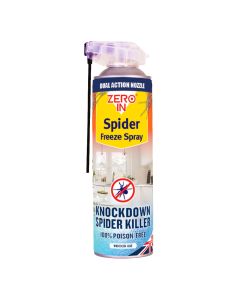
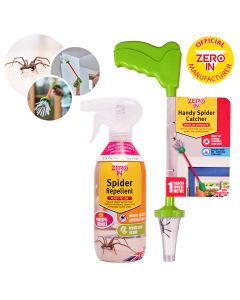
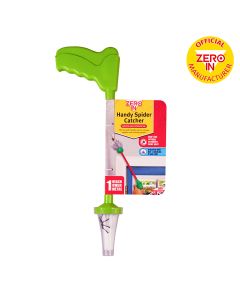
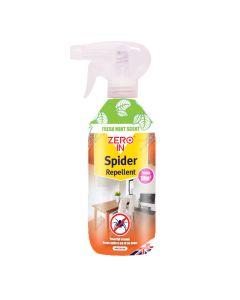
If you're having any spider-related issues this link to our most effective products is sure to help.
Fast delivery to your door
100's of pest solutions available
Help & advice available
We'd like to connect you to your local The Big Cheese retailer -
please let us know your postcode to do so.
We won't store this information for any other purpose